


This is the first post in a series where I will be exploring the expanding boundaries of what “defense” really means in the 21st century. I’ll explore the vectors of threat and opportunity we face. I’ll attempt to map the terrain of emerging technologies and examine the supply lines of resilience that sustain our collective security.
The goal is to reframe our defense doctrine, moving from reactive fortifications to proactive campaigns, so we can outmaneuver cascading risks and secure the high ground of a livable future.
Listen to the overview:
When most people hear “defense tech,” they picture missiles, drones, jet fighters, tanks… hardware built to counter human adversaries. Sometimes the definition expands to cybersecurity, still framed as humans targeting human infrastructure, now with AI in the mix. Biosecurity might get a fleeting mention, engineered pathogens, weaponized viruses, but it rarely moves beyond a soundbite.
What’s missing? The silent vulnerabilities. The slow failures. The domains where neglect, not an enemy soldier, is the real threat.
The broader trends of divestment, coupled with a lack of meaningful action against known vulnerabilities in these adjacent domains, tell the real story… one I’ll unpack in this series.
This is the defense doctrine we’ve inherited, a narrative shaped almost entirely by visible, and invisible, threats to manmade infrastructure. But it’s a broken record on repeat, each cycle sounding worse, the collateral damage potential growing as both weapons and infrastructure scale in reach and destructive capacity.
In the Traditional Defense view, I’ve written about how we’re drifting into a strategic deadlock: part stalemate, part accelerated arms race, all under the shadow of an emerging 21st-century MADD Doctrine.
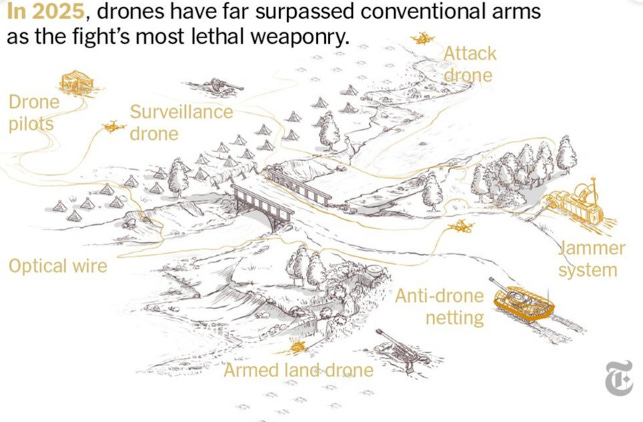
However, I ask… what if the next theater of defense is not the battlefield between nations, but the front lines of the biosphere itself?
To put it plainly: an all-encompassing “defense tech” doctrine must safeguard our ecological and biological systems. The very systems that make Earth habitable are the same ones that allowed us to thrive here. As they begin to fracture, we must awaken the same instinctive urgency that traditional defense concepts evoke: a defense of our families, their health, their well-being, and their future prosperity.
Imagine the collapse of pollinators, or the hijacking of mosquitoes by deadly disease vectors, not as biodiversity issues, but as catastrophic defense failures. These aren’t side notes in an environmental brief; they are active combat zones in a new kind of war, where the adversary is systemic imbalance itself.
Beyond Us vs. Them
Once we accept the first layer of this premise, that ecological and biological systems must be integrated into our concept of defense, we run headlong into a second, harder truth: this isn’t an easy narrative to sell. It refuses to fit the traditional “us versus them” mold. There’s no single adversary to demonize, no flag to rally against. The threat is diffuse, systemic, and, most unsettling of all, woven into the very systems we ourselves maintain.
When we think about defense, we’ve historically anchored it to nation-states, tribal identities, and clear adversaries. We’ve built our systems to protect “us” from a defined “them.”
Today, the reality of that threat is more abstract. It’s not about human adversaries alone; it's about how destabilized natural systems can become a kind of adversary if we don’t act collectively.
Nature isn’t at war with us, though through our pollution, we may be waging war on it. What looks like “pushback” is simply consequence: destabilized systems expressing the physics of imbalance.
Massive floods, wildfires, and intensifying hurricanes aren’t acts of vengeance; they’re the predictable chain reactions of a planetary system out of equilibrium. The solution isn’t outcompeting another nation… it’s defending the boundaries we all share.
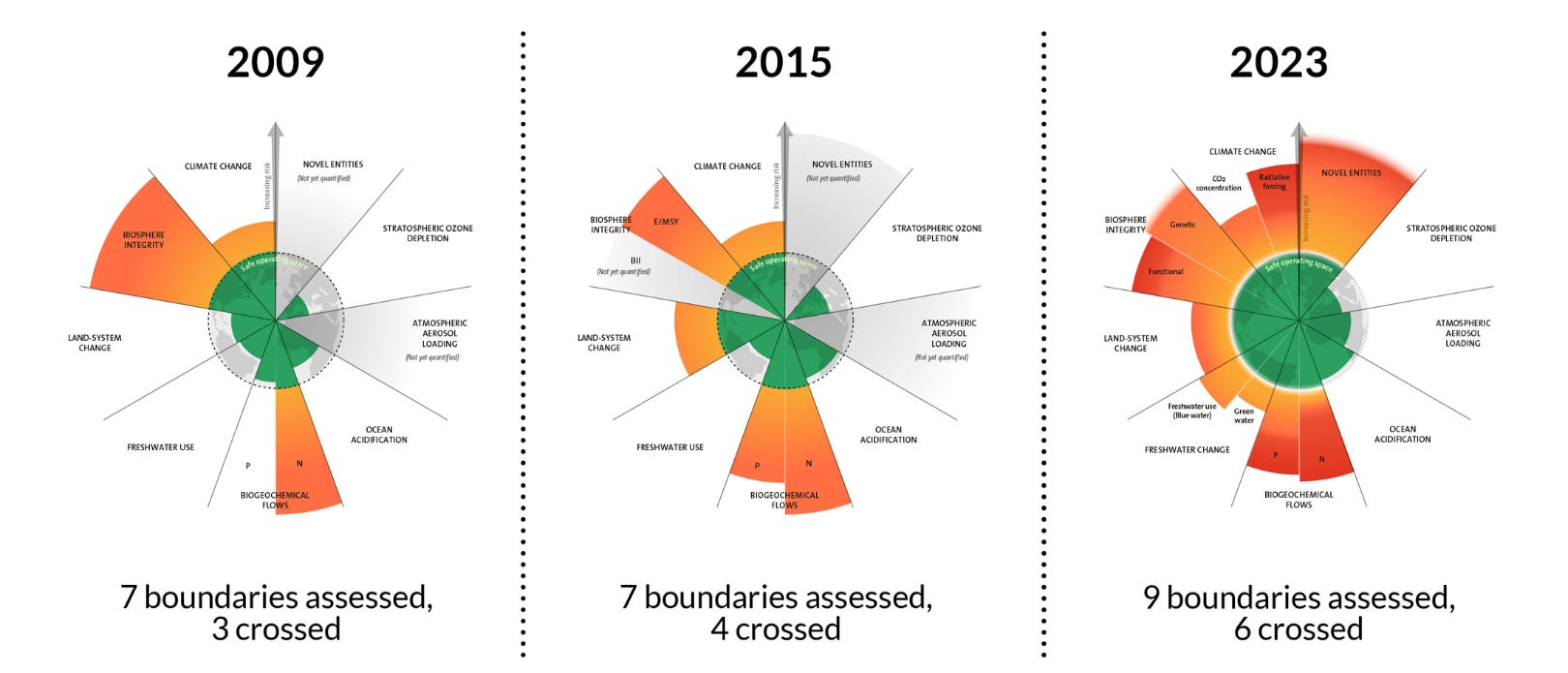
This framework came vividly to life for me last year in Seattle, when I attended TED Countdown and watched Johan Rockström present it in his TED Talk. (I highly recommend a watch.) It’s a rude awakening, but with it an alarm that we need to take things seriously… as seriously as we would any other existential threat to our family, society and way of life.
Prosperity without sustainability is an illusion. There is only so much productivity gain or GDP growth we can squeeze from an extractive economy that’s quietly compounding its own negative externalities.
In military terms, it’s like winning a string of tactical skirmishes while bleeding out strategically…
Our Pyrrhic Victory over Nature
In 279 BCE, at the Battle of Asculum, Pyrrhus of Epirus defeated the Romans but suffered such heavy losses that the victory became famously known as a "Pyrrhic victory," indicating it was won at too great a cost to be truly beneficial.
Pyrrhus reportedly said, "If we are victorious in one more battle with the Romans, we shall be utterly ruined," highlighting that the toll on his forces, including many of his commanders and soldiers, was unsustainable.

There’s also another lesson in Pyrrhus’ end. Years later, in the chaos of a night assault on Argos, he wasn’t brought down by a general’s sword but by the hand of a poor woman defending her home. From her rooftop, she hurled a roof tile that smashed into the king’s neck, stunning him just long enough for enemy soldiers to close in. Even the most celebrated commander can be stopped cold by the resentment and desperation of ordinary lives left in ruin. Strategic brilliance means little if the campaign leaves behind only embittered civilians and shattered communities because they become the very terrain that turns against you.
Our current model is a Pyrrhic campaign: we push for GDP gains, resource extraction, and quarterly wins, but each “success” erodes the very logistical base that is foundational to life on Earth: our climate, our ecosystems, our human health, that makes long-term victory possible. Armies that neglect their supply lines inevitably face collapse. Nations & leaders that neglect planetary boundaries face the same fate.
The battlefield has shifted, but the lesson is ancient: we can’t outmaneuver an enemy if we’re destroying the ground we’re standing on.
Like Pyrrhus, we can’t keep claiming short-term wins that leave us weaker for the next fight. In the modern theater, those hollow victories show up in public health: the climate conditions we’ve created are now enabling disease vectors to turn our own environments into hostile ground.
Zika as a Cost-of-Failure Case Study
Heat and drought aren’t abstractions; they reshape disease logistics. During the 2015–16 El Niño, climate anomalies created unusually favorable conditions for Aedes mosquitoes, amplifying Zika transmission across the Americas. Modeling of that event found El Niño–linked temperature and rainfall shifts helped drive the surge, as published in Nature.
Transmission is temperature sensitive: a recent 2023 study estimates Zika’s basic reproduction number R0 peaks near ~30°C, implying that warming pushes more regions into the risk band and lengthens transmission seasons.
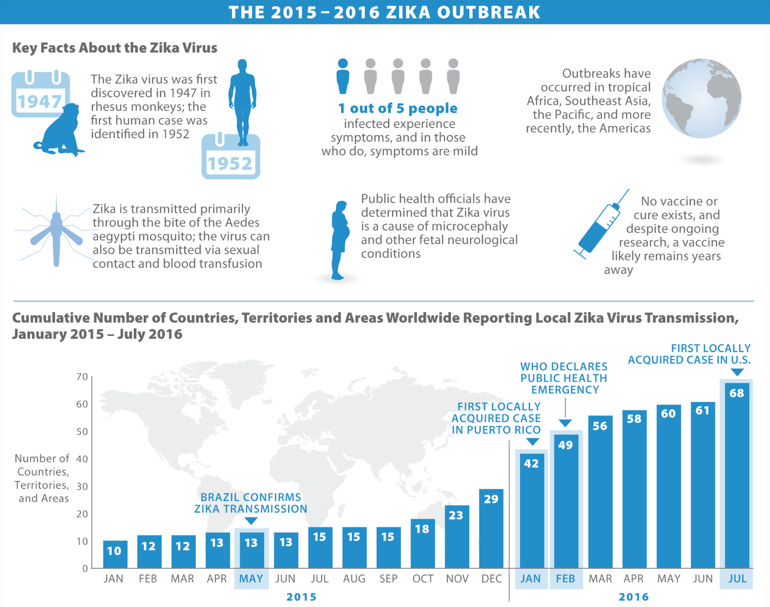
The costs are tangible: the World Bank pegged 2016 Zika losses at ~$3.5 B, while another assessment estimated $7–$18 B in short-term regional costs. The U.S. alone appropriated $1.1 B in emergency funds (totaling $1.7 B with prior reprogrammed dollars) for response and preparedness. And each microcephaly case can carry lifetime direct medical costs on the order of $90k+ in Latin America before counting family income losses.
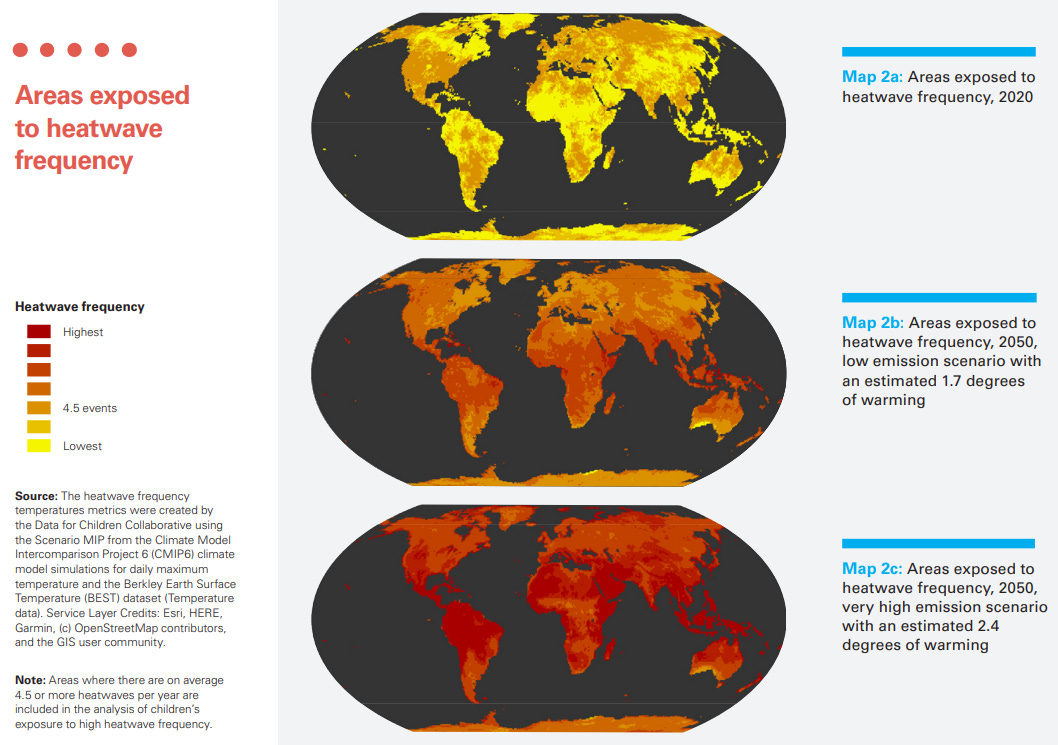
Looking ahead, more viruses and vector-borne diseases will increasingly enter a “Goldilocks” zone, with persistent 30 °C+ temperatures extending suitable transmission windows across the tropics and beyond. Global warming will likely exceed 1.5°C above pre-industrial levels in the near term, meaning many nations will regularly breach the Aedes-optimal threshold.
In security terms, that spells recurring, compounding drain on national capacity… every nation for itself, but all nations seeing their borders pushed into the heat-risk zone.
Heat as a Force Multiplier
Even without a pathogen, heat alone behaves like a force-multiplier: it drives peak electricity to the redline, triggers price spikes and regional blackouts, and floods emergency rooms… each effect compounding the next. It’s the blackout that hits as your grandmother’s oxygen concentrator shuts down. The food spoiling in your fridge during a three-day outage. The emergency call that never gets through because the cell towers overheated.
Translate that into security terms and you get a rolling drain on national capacity: stressed grids, strained hospitals, lost work hours, and political pressure from households who simply can’t keep cool.
Records & outages are now routine: According to IEA, in 2024, 40+ countries representing ~70% of global electricity demand hit new peak-load records during heatwaves; many also suffered major outages or rolling blackouts.
Cooling drives both demand and bills: In India, each +1°C adds >7 GW to peak demand (up from ~4 GW in 2019); in the Middle East and parts of the U.S., cooling exceeds 70% of residential peak load on the hottest days.
Blackouts can span borders: A June 2024 heatwave triggered a multi-country blackout across the Balkans, confirmed by the regional grid operator’s incident report.
Hospitals feel it immediately: During the 2021 Pacific Northwest heat dome, a report published by the CDC found that mean daily rate of heat-related Emergency Department visits was 69x higher than the same period in 2019; 79% of all May–June ED visits occurred in just six days.
Heat already kills at continental scale: Summer 2022 saw an estimated 61,672 heat-related deaths in Europe, a mortality load large enough to strain health systems and social services, according to a report in Nature.
Why True Defense Is Collective
This is where principles-based thinking comes in. We need a Defense 2.0 that drills down to root causes, using first principles to ask how we can realign our systems to prevent ecological threats rather than scramble to contain them after impact.
In other words, let’s not treat our planet the way our healthcare system too often treats patients, trapped in a billing-driven cycle that rewards costly interventions over prevention. This isn’t a critique of doctors, who work to heal, but of the industrialized insurance and billing machinery that distorts priorities. If we can reframe defense tech to include safeguarding the biological systems that underpin human survival, we stand a far better chance of achieving long-term resilience.
Others are beginning to voice this too. Thinkers in regenerative agriculture, ecological economics, and allied fields are already hinting at a broader definition of security, one anchored in the stability of our natural systems. Their work reminds us that defending our ecological foundations is every bit as critical as securing our digital or physical infrastructure.
In the end, Defense Tech 2.0 is a shift in doctrine. It demands we evolve our defenses to protect not only the systems we’ve built, but the living systems that make our existence possible.
With the battle map now drawn, heat, water stress, disease vectors, grid strain… we move to the next phase: tactics, tools, and strategies for cities, nations, and individuals to protect what matters most. This is a standing order for the 21st century: secure the living systems, or lose the war for a livable future.